
SMM Panel Pricing and Profit Margins: A Practical Guide
Markup vs. margin, the hidden costs behind every order, practical pricing strategies and a worked example, plus an honest answer to whether an SMM panel business pays off.
Pricing is where most new SMM panel owners either build a sustainable business or quietly lose money. The mechanics look simple: buy a service from a provider, add a markup, sell it. In practice, refunds, payment fees, drops, support time and competition all eat into the gap. This guide explains how to price SMM services, how to think about your real SMM panel profit margin, and gives an honest answer to the question many people search for: is an SMM panel business profitable?
All numbers in this article are illustrative examples to show the math. They are not market averages. Your provider rates, fees and customer mix will differ.
How SMM panel pricing works
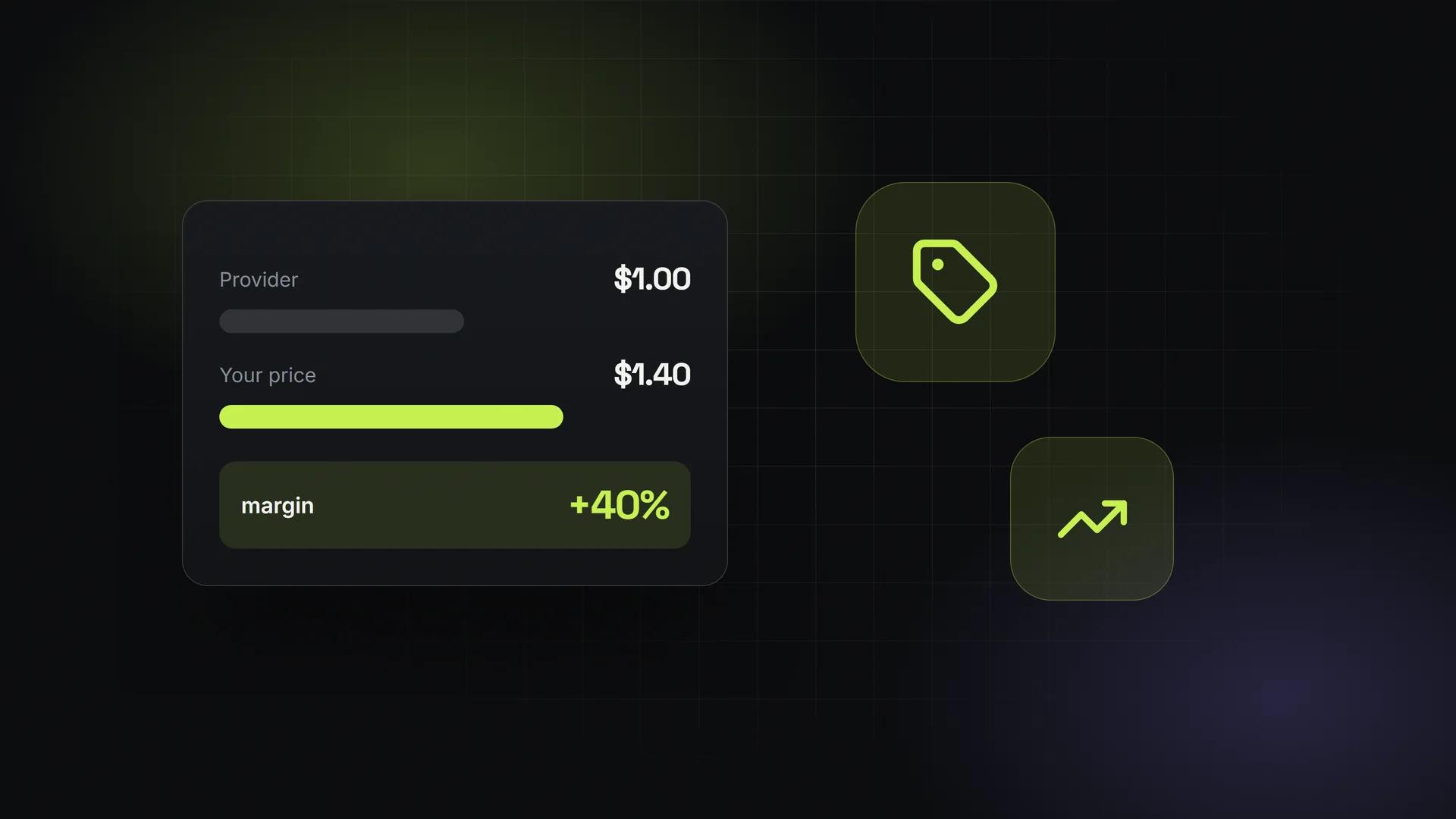
Every service in a panel is priced per 1,000 units (followers, likes, views and so on). If a provider charges you $0.50 per 1,000 likes and you sell at $1.00 per 1,000, your gross markup on that service is 100%, and your gross margin is 50% of the sale price.
Two terms are often confused:
- Markup is calculated on cost: (price − cost) ÷ cost.
- Margin is calculated on price: (price − cost) ÷ price.
A 100% markup equals a 50% margin. A 50% markup equals a 33% margin. Keep this in mind when you set percentage rules in your admin panel, because most panels apply markup, not margin.
Where your provider cost comes from
Your cost is whatever the upstream provider charges through its API, converted into your panel's currency. Rates change: providers adjust prices, add new services and disable old ones. If your panel syncs services automatically, you also need rules that adjust your selling price when the provider rate changes, or you can end up selling below cost without noticing.
The real costs behind each order
Gross markup is not profit. Before deciding prices, list everything that comes out of the difference between price and provider cost:
| Cost | What it is | How to control it |
|---|---|---|
| Provider cost | The wholesale price per 1,000 | Compare providers, test quality, keep a backup provider |
| Payment gateway fees | Percentage and/or fixed fee on each top-up | Set a minimum deposit, choose gateways with fair fees, consider a small fee on expensive methods |
| Currency conversion | Loss when your provider bills in USD and customers pay in another currency | Price in your customers' currency with a buffer, update rates regularly |
| Refunds and partials | Undelivered quantities returned to customer balance | Usually neutral if the provider also refunds you; watch for mismatches |
| Drops and refills | Count drops after delivery | Prefer services with refill guarantees; price non-refill services clearly |
| Chargebacks and fraud | Disputed card payments | Use gateways with fraud tools, limit first deposits, verify suspicious accounts |
| Platform cost | Panel software, hosting or rental fee | Flat-fee plans make this predictable |
| Support time | Tickets about delays, drops, refills | Clear service descriptions reduce tickets |
| Marketing | Ads, content, affiliate payouts, discounts | Track cost per paying customer |
A useful habit is to calculate your net margin per $100 of deposits, not per service. That number tells you whether the business works.
How to price SMM services: practical strategies
1. Start from cost, then check the market
Apply a base markup to every service, then compare your prices with a few competitors that target the same audience. You do not need to be the cheapest. You need to be clearly worth the price: reliable services, honest descriptions, fast support and convenient payment methods.
2. Use different markups for different service types
Not every service deserves the same percentage. A rough way to think about it:
- Very cheap, high-volume services (e.g. views): the absolute price is tiny, so a higher percentage markup is common. Customers care more about speed and stability than a few cents.
- Mid-range services (likes, followers with refill): moderate markup, competitive positioning.
- Premium or targeted services (country-targeted, high-quality): lower percentage, but higher profit per order in absolute terms.
3. Round to clean prices
$0.87 per 1,000 looks like an automated calculation. $0.90 or $0.99 looks deliberate. Rounding up slightly also gives you a buffer against small provider price increases.
4. Set sensible minimums
Very small deposits can be eaten by fixed payment fees. A minimum deposit amount, and sensible minimum order quantities, protect your margin without hurting real customers.
5. Offer reseller and volume pricing
Resellers who use your API bring steady volume. Many panels give them a lower rate, either through a user-level discount or a separate price group. You accept a lower margin per order in exchange for volume and predictability.
6. Watch the services that generate tickets
If one service creates a large share of your support tickets or refunds, raise its price, rewrite its description, switch provider or remove it. A service that looks profitable on paper can be unprofitable once support time is counted.
A worked example
Here is an illustrative calculation for three services, using made-up provider rates:
| Service | Provider cost / 1,000 | Your price / 1,000 | Markup | Gross margin |
|---|---|---|---|---|
| Video views | $0.05 | $0.15 | 200% | 67% |
| Likes (30-day refill) | $0.80 | $1.40 | 75% | 43% |
| Targeted followers | $6.00 | $8.50 | 42% | 29% |
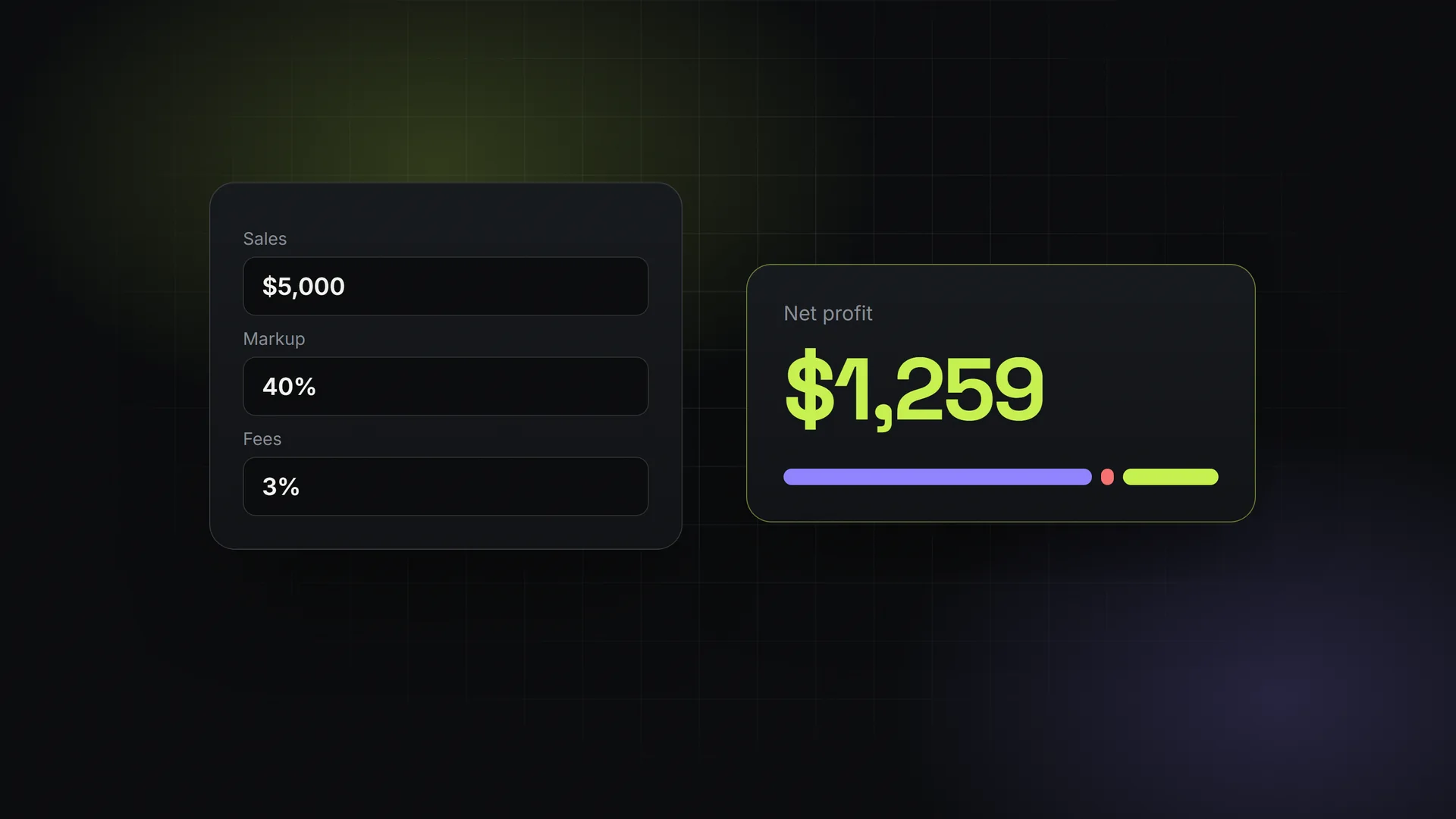
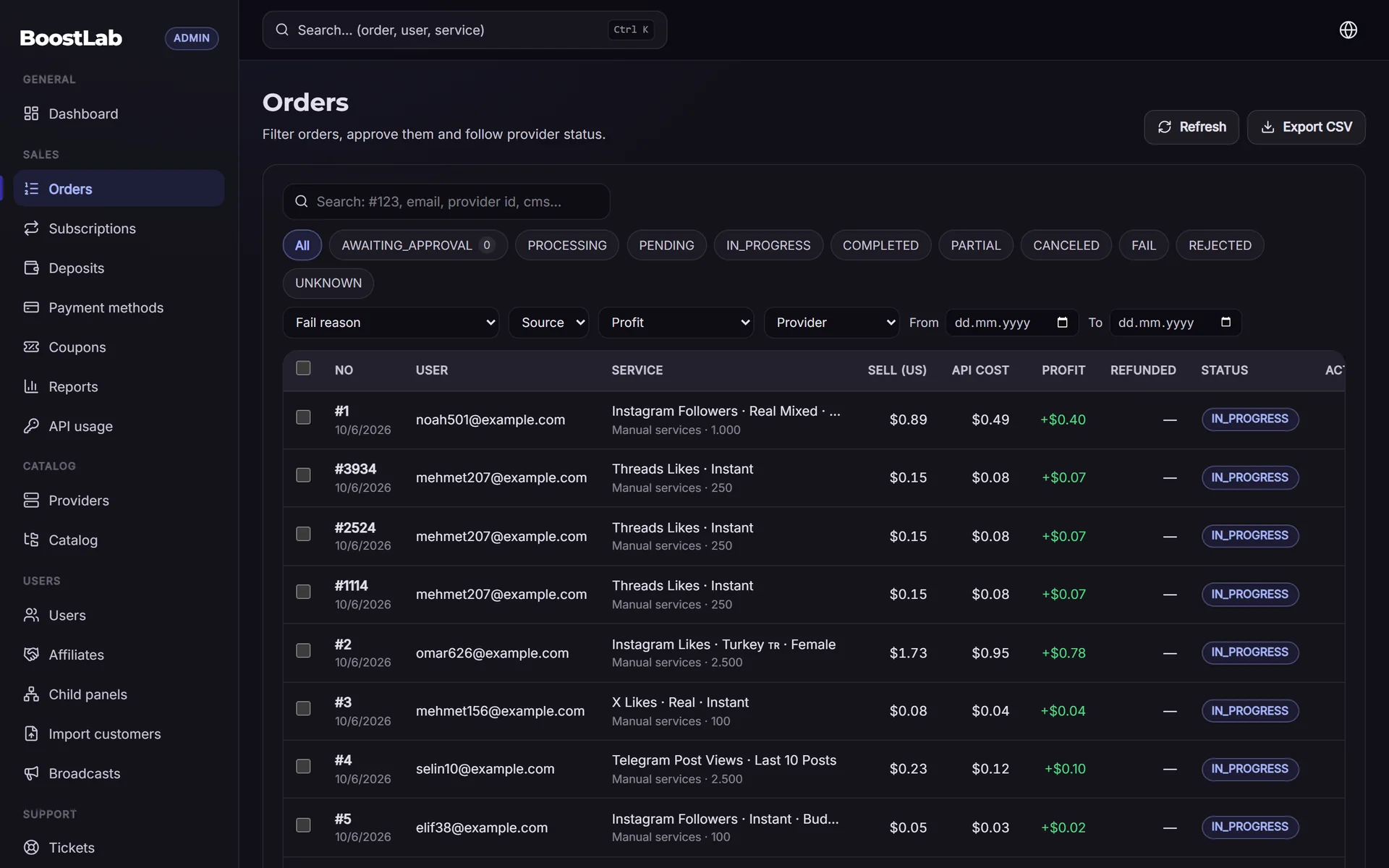
Now imagine a customer deposits $100 and spends it across these services. Suppose the payment gateway takes about 3% plus a small fixed fee, and a portion of orders end in refunds that return to the balance. Your realistic margin on that $100 is the blended gross margin, minus gateway fees, minus any drops you refill at your own expense, minus a share of platform and marketing costs.
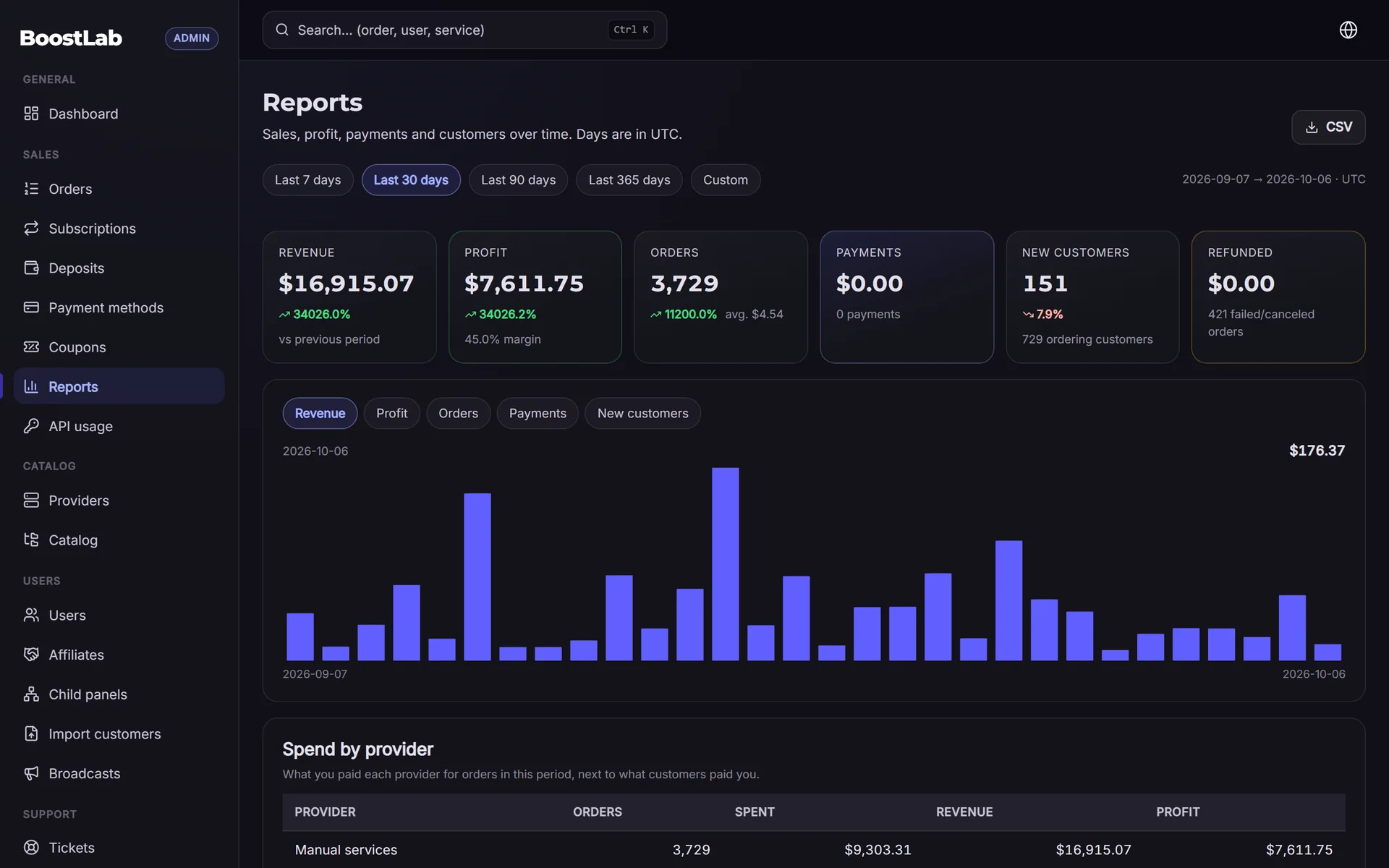
The point is not the exact numbers. It is that blended margin across real customer behaviour is what matters, and you can only know it by tracking orders and costs in your admin reports.
Pricing in local currencies
If your audience is in one country, pricing in their currency usually converts better than showing USD. It also avoids customers doing mental conversions and comparing you directly with foreign panels. The trade-off is exchange-rate risk: if your provider bills in USD and your local currency weakens, your margin shrinks. Review rates regularly and keep a small buffer in your markup.
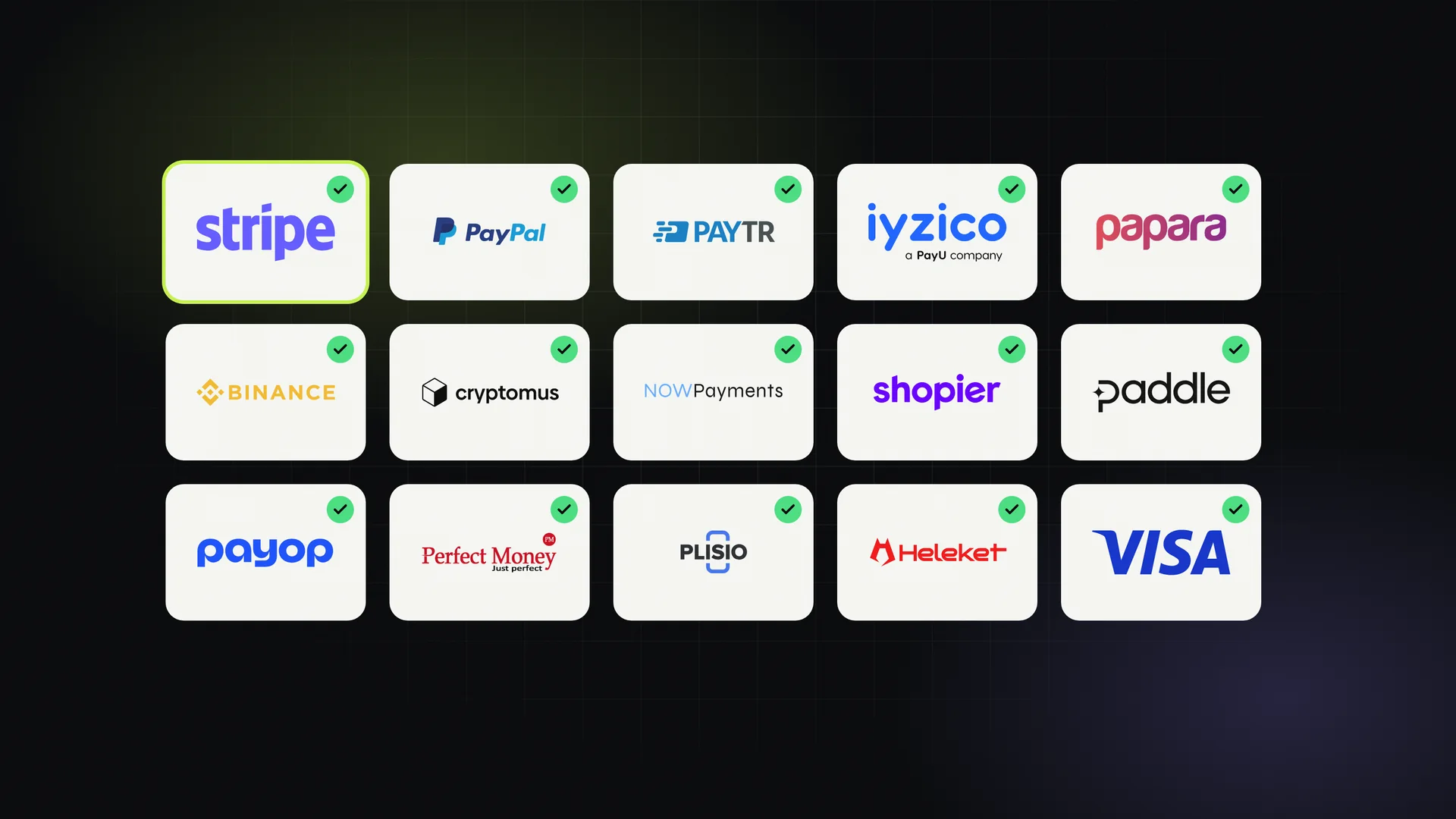
Local payment methods matter just as much. A panel that only accepts international cards may lose customers who prefer bank transfers, local wallets or crypto. See our overview of payment gateways for the options that are common in this industry.
Is an SMM panel business profitable?
It can be, but it is not automatic. Honest factors to weigh:
What works in your favour
- Low starting cost. You do not produce the services, so there is no inventory.
- Automation. Orders, status updates and refunds are handled through the provider API.
- Repeat customers. Resellers and agencies often order regularly.
- Layered income. Child panels and API resellers can add volume on top of direct sales.
What works against you
- Heavy competition. Many panels sell similar services, and price wars are common.
- Provider dependence. If a provider changes rates, slows down or shuts down, your services are affected.
- Platform policy risk. Social platforms restrict artificial engagement, and updates can cause drops or service changes.
- Payment friction. Some payment providers are cautious with this industry, so choosing compatible gateways matters.
- Support load. Customers expect fast answers, often around the clock.
The panels that last usually win on a specific audience (a language, a country, a niche such as music or Telegram), reliable providers and good support, rather than on being the cheapest. For a full walkthrough of the business side, see how to start an SMM panel business.
How your platform cost affects margins
Your panel software cost is part of the equation. Some platforms charge a percentage of sales or per order, which means your cost grows exactly as your business grows. Flat pricing keeps the cost fixed so extra volume goes to your margin.
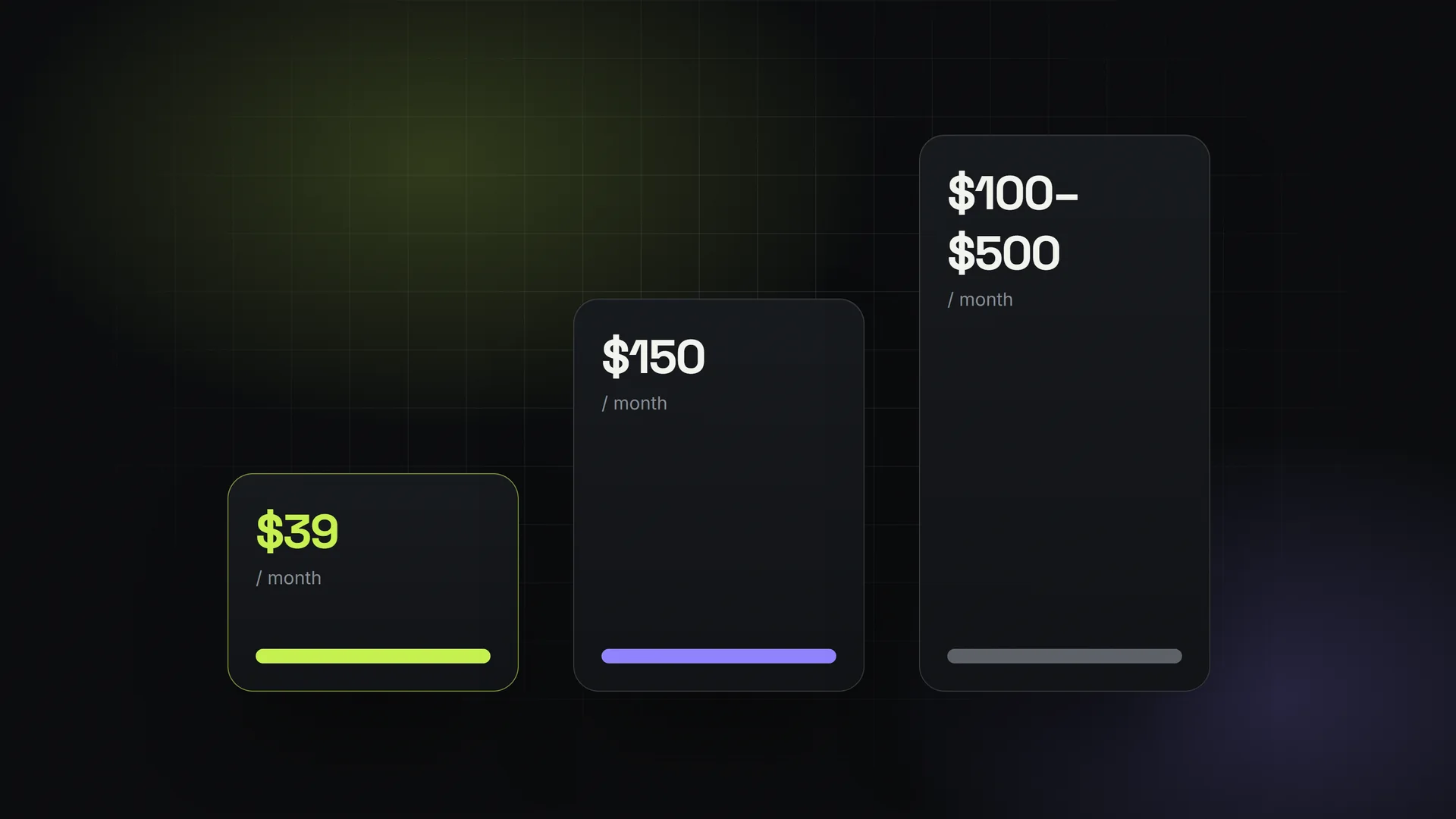
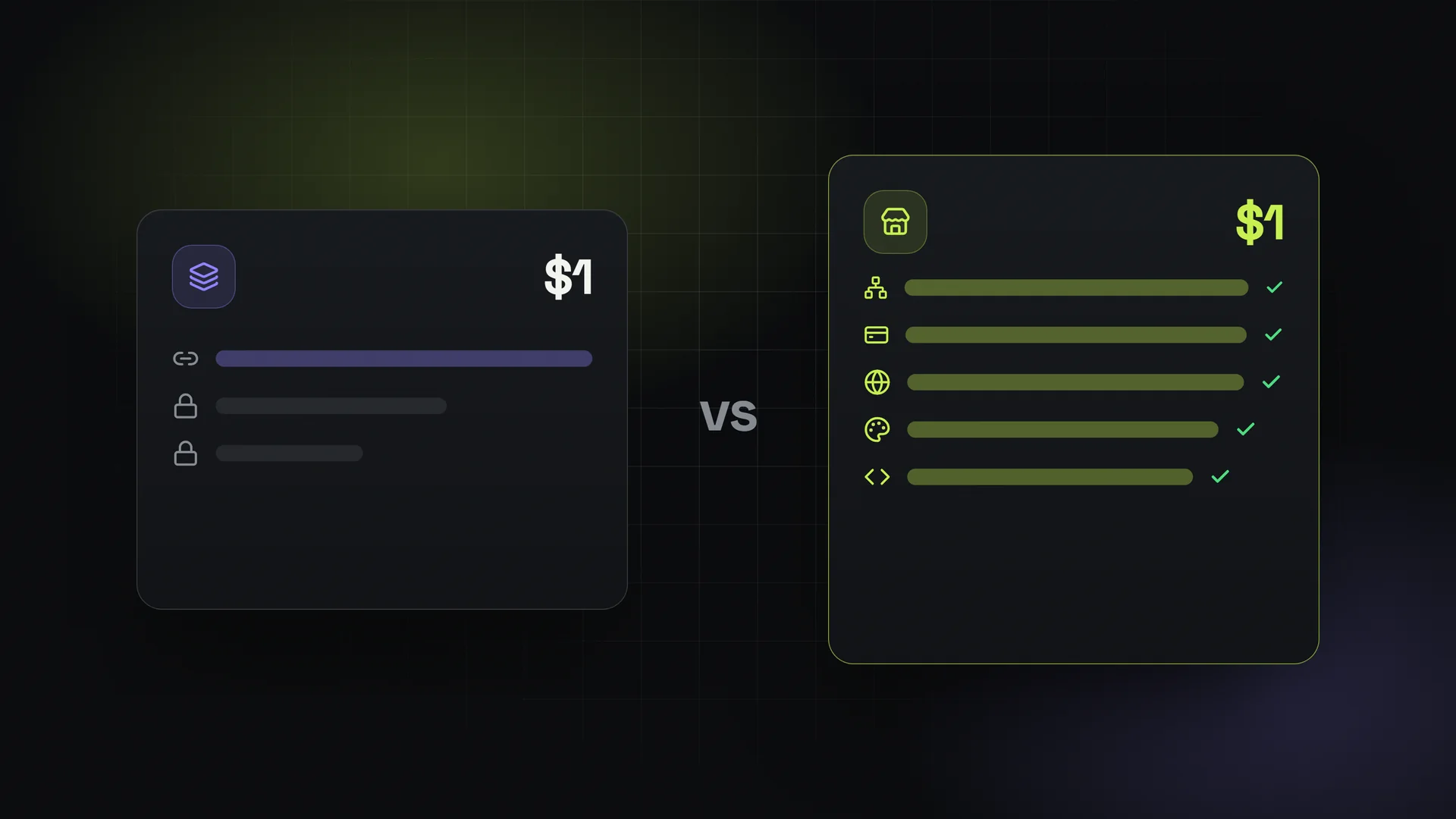
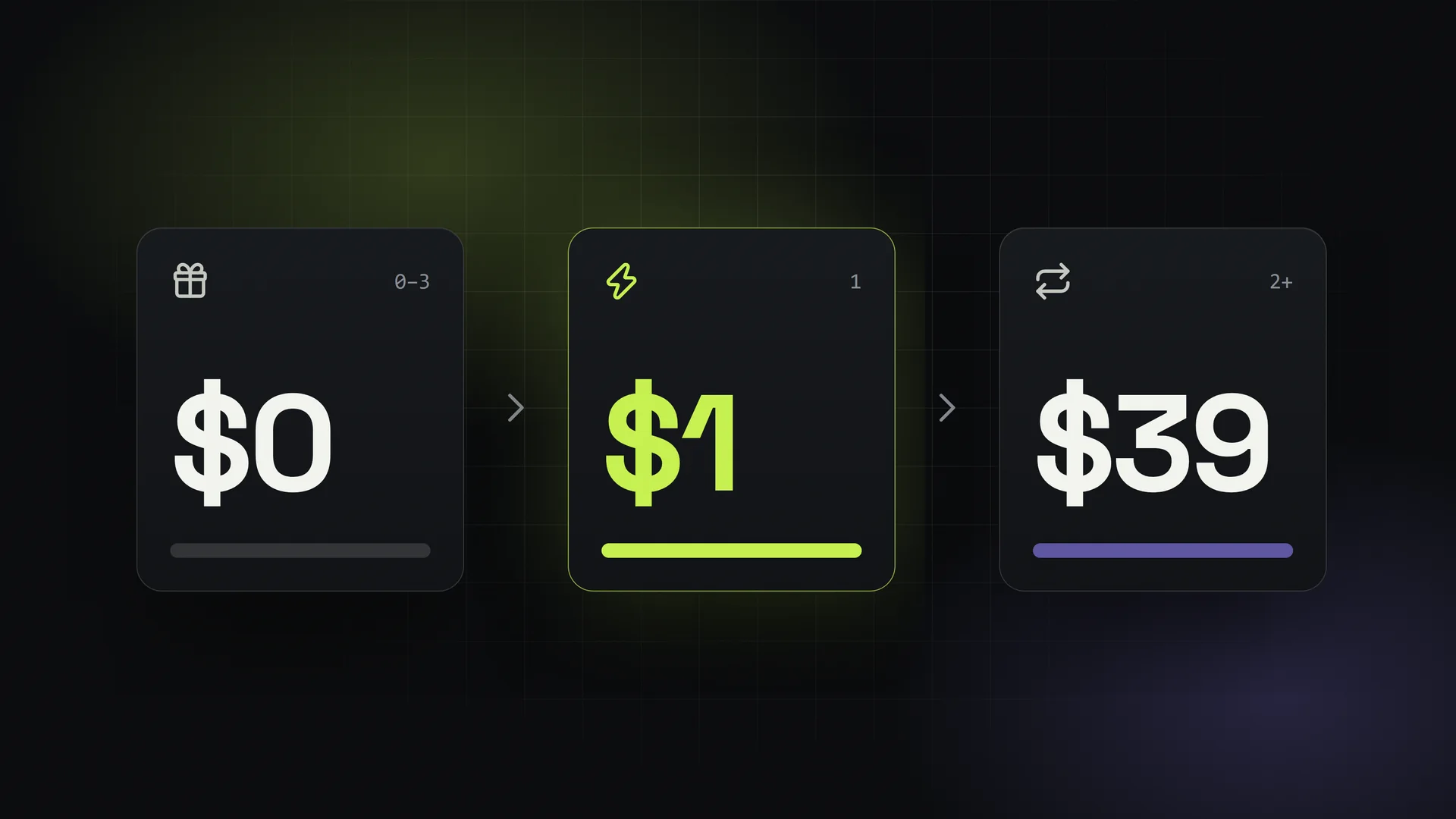
SMMFor uses flat monthly plans with unlimited orders and no commission on your sales, and supports 17+ payment gateways and 60 currencies, so you can price in your customers' currency. You can compare plans on the pricing page and try it with a 3-day free trial, then $1 for the first month.
FAQ
What is a good profit margin for an SMM panel?
There is no single correct number. It depends on your audience, competition and service mix. Track your blended net margin per deposit after payment fees, refunds and support, and adjust prices per service rather than aiming for one fixed percentage.
Should I be the cheapest panel in my market?
Usually not. The cheapest panels often attract price-sensitive customers who leave as soon as someone is cheaper. Reliability, clear descriptions, local payment methods and support are more durable advantages.
How often should I update my prices?
Whenever provider rates change, and at least whenever you review your reports. Automatic price rules based on provider cost help prevent selling below cost.
Should resellers get lower prices?
Often yes. API resellers bring regular volume, so a lower rate for them can be worth it. Make sure the discounted price still covers payment fees and refunds.
Do I pay commission on my sales?
That depends on your panel platform. Some charge a percentage of revenue; others, like flat-fee rental plans, do not. Check this before you build your pricing.